So what is the difference Between an Expedition Cruise and a normal cruise ?
Is Expedition Cruising right for you ?
When you hear the word “cruise”, what comes to mind? For many people it is a floating resort at sea: pools and sun loungers, theatres and cocktail bars, a busy daily programme and a new port to wake up to every few days. That is the classic ocean cruise experience and it can be a brilliant way to travel. There is, however, another style of cruising that feels very different. Instead of several thousand guests, you share your ship with just a few hundred people or less. There are zodiacs hanging at the stern, an expedition team of guides, naturalists and historians on board, and days that revolve around getting off the ship to explore. That is expedition cruising. Both types of cruise will take you somewhere beautiful, but the way you experience that place is not the same.
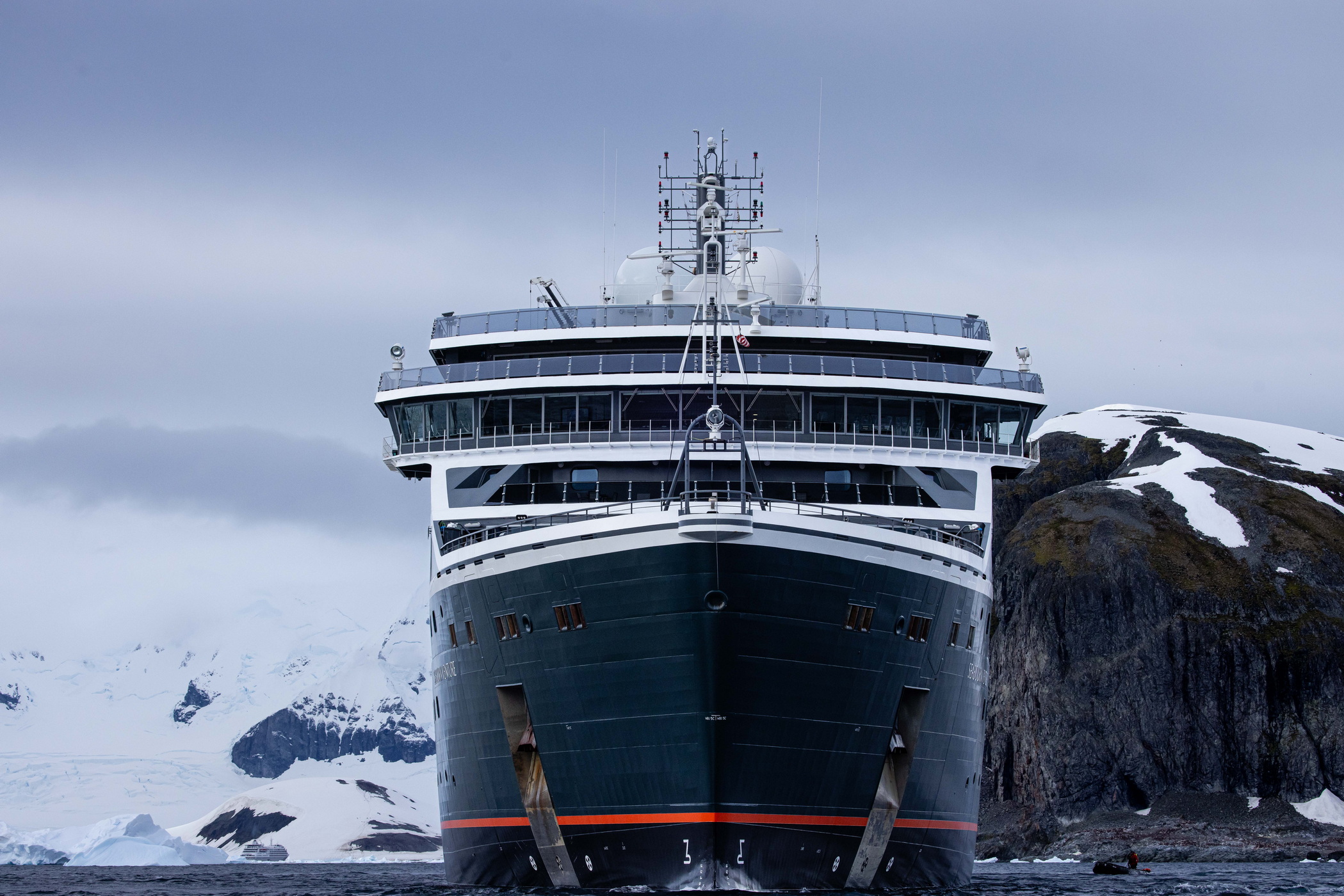
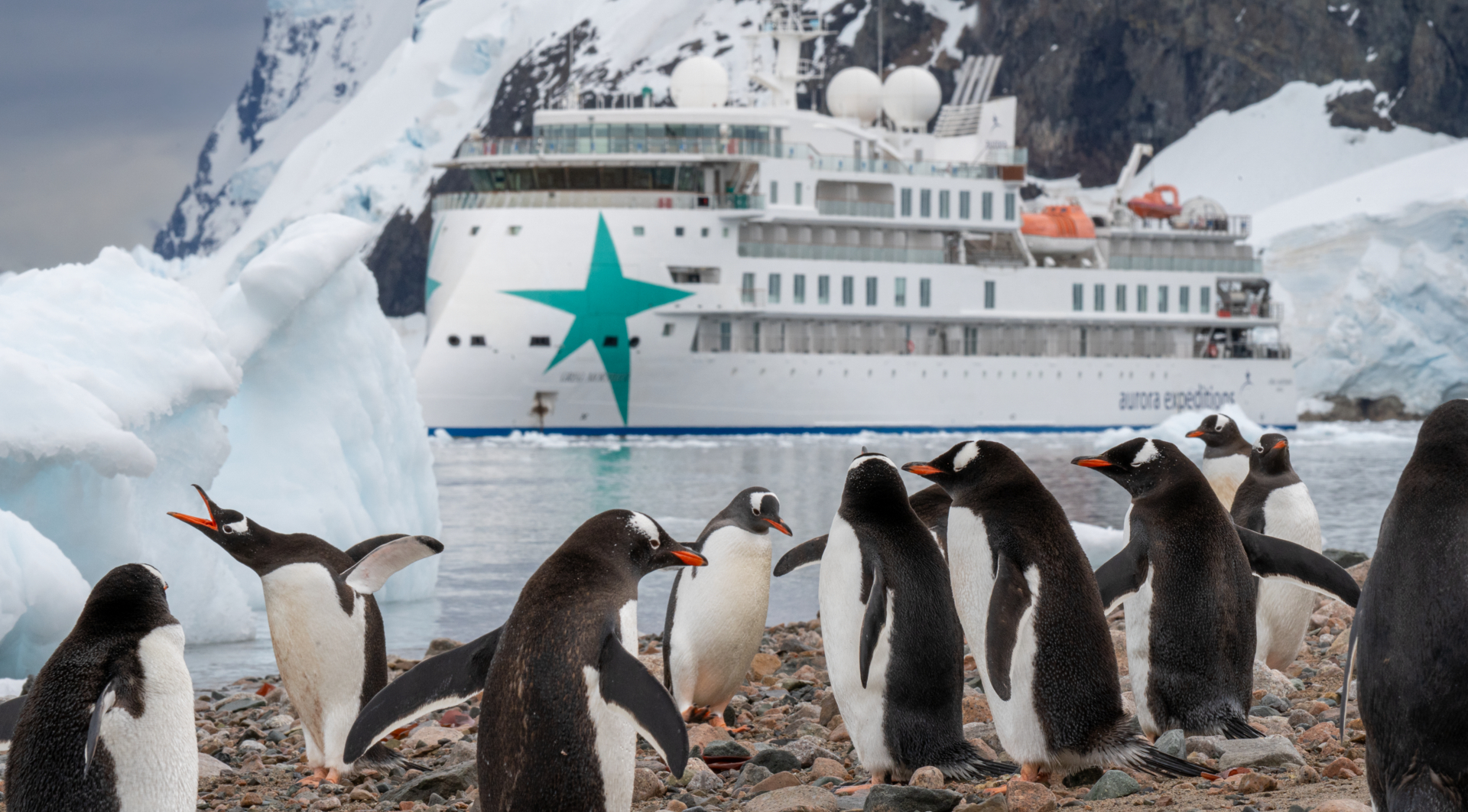
Norwegian Fjords Cruise is a good example to use as these are very popular and frequently booked Cruises, with Greenland also growing in popularity.
On a larger ship, sailing the Norwegian fjords might mean a round‑trip itinerary from the UK, calling at well known ports such as Bergen, Alesund or Geiranger. Shore days are often built around panoramic coach tours, cable cars, museums and cafés, before you return to the ship for dinner and a show in the theatre. In Greenland, a standard cruise may call at a handful of coastal towns, with time to wander, shop and enjoy the scenery from wide open decks as the landscape glides past.
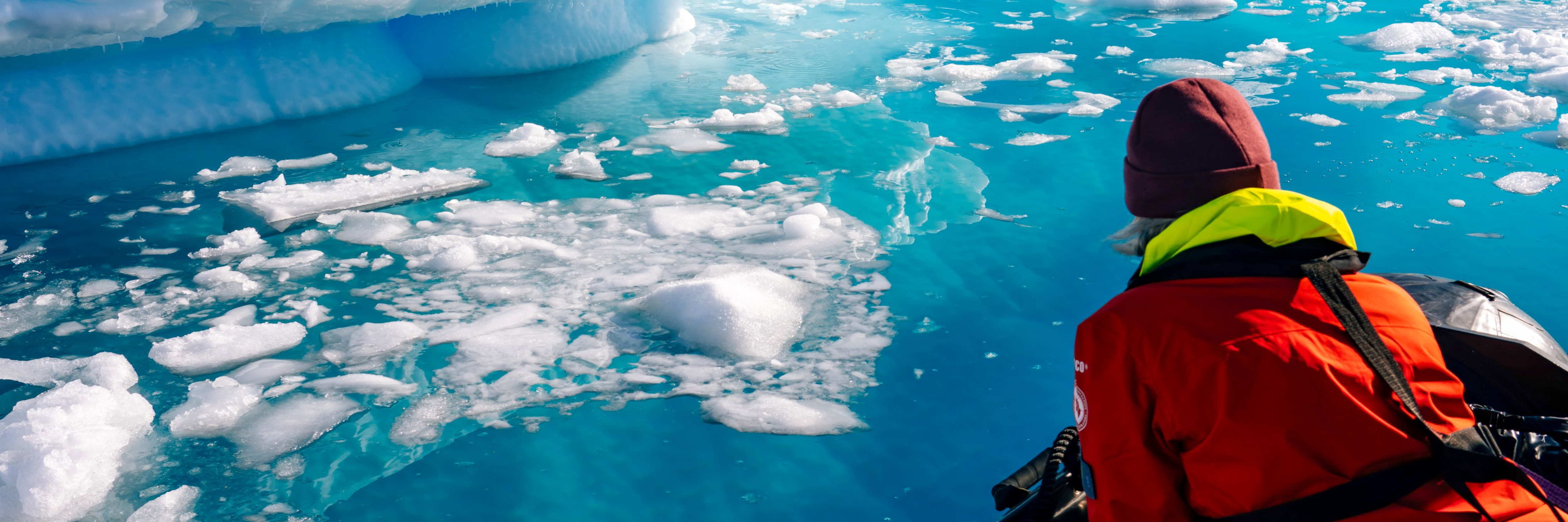
On an expedition ship, the emphasis shifts. The vessels are smaller and the guest numbers lower, and there is a dedicated expedition team on board whose job is to interpret the world outside your window. Instead of simply docking at larger ports, you spend more time in bays, fjords and tiny communities, often far away from any major infrastructure. You head out in small boats called zodiacs, weave between icebergs, land on quiet beaches or simple jetties and walk with your guide to viewpoints or along the shoreline. You still enjoy big, sweeping scenery, but you encounter it at much closer quarters.
Life on board reflects this difference in focus. On a standard ocean cruise, the ship itself is a major part of the appeal. There are multiple restaurants, bars and lounges, theatres, kids clubs and often several pools. The daily programme reads like a hotel brochure: quizzes, classes, tastings, spa sessions, live music and late‑night entertainment. You can easily spend whole days enjoying what the ship has to offer.
On an expedition cruise, the ship feels more like a comfortable base camp. Today’s expedition vessels are stylish and contemporary, but they are also very practical. There are large observation lounges with floor‑to‑ceiling windows, wide outside decks for wildlife watching, mud rooms for your boots and outdoor gear, and a lecture theatre where you gather for briefings and talks. Evenings tend to be quieter. Instead of a big production show there may be a recap of the day’s wildlife sightings, a short talk on local culture or geology, and a slideshow of guest photos shared over a drink. The entertainment is the place you are in and the people helping you understand it.
How you go ashore is often the single biggest difference. On a standard cruise, the ship docks or tenders into a port, you walk straight onto the pier, join an excursion or wander into town, then head back on board later. It is familiar, easy and the ports are set up to welcome cruise visitors.
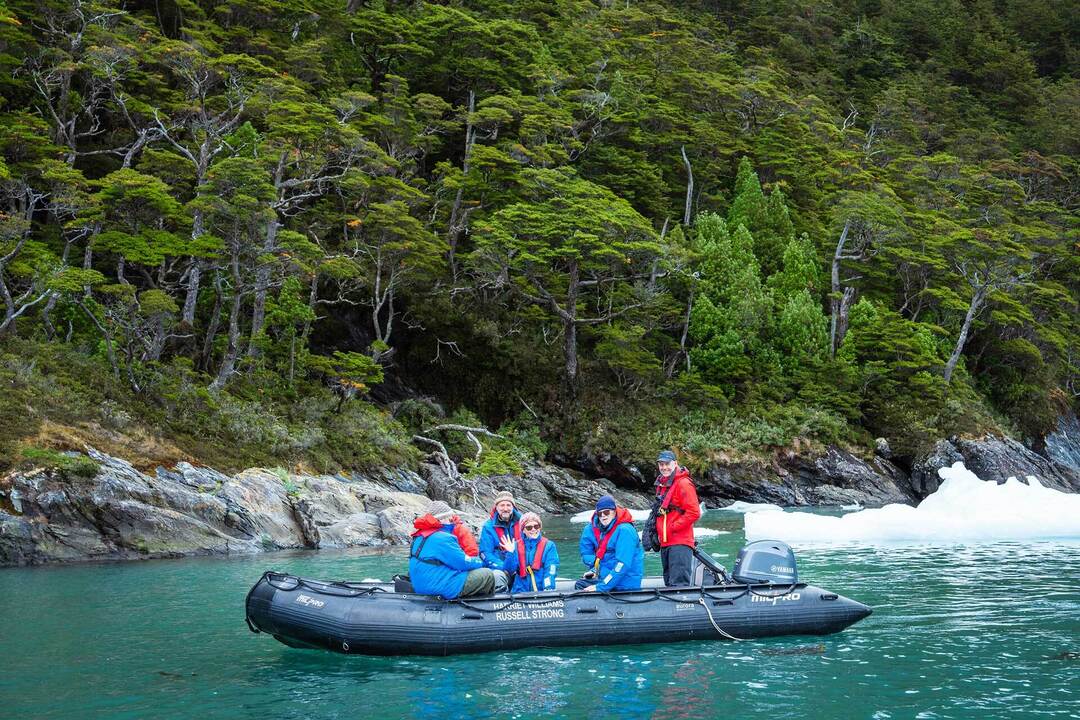
On an expedition cruise you get used to stepping into a zodiac instead. These small boats take you ashore in little groups, often to beaches, rocks or simple jetties with no café or souvenir shop in sight. You are out in nature with your guide, walking over uneven ground or drifting quietly along a glacier face, dressed for the elements rather than for town. For many people this feels wonderfully immersive. For others, the simplicity of strolling into a town from a big‑ship gangway is more appealing. Neither experience is better or worse, they just suit different travellers.
There is also a difference in how much structure or spontaneity you like in your holiday. Standard ocean cruises are designed to be reassuringly predictable: you get a clear itinerary with port times and sea days, and once on board your daily programme is laid out for you. Things can change if the weather demands it, but the aim is to deliver the route you booked.
Expedition cruises build flexibility in from the start. You still have an outline route, but what you actually do each day is shaped by the sea, the ice and the wildlife. A landing might become a zodiac cruise if the swell is too high, or a bay might be swapped for another if the ice closes in. If you like to know exactly what happens and when, that can take a little adjustment. If you are happy to let nature set the schedule, it is part of the magic.
Price is another contrast. Larger ships, with many more cabins to fill, can offer very attractive per‑night rates, especially outside peak dates, and your fare usually includes your cabin, main meals and entertainment, with drinks, speciality dining, excursions, wifi and sometimes gratuities as extras. Expedition cruises tend to have a higher price per day because the ships are smaller, the itineraries are more remote and there is a bigger team of specialist guides on board. However, they are often more inclusive: landings, zodiac trips, briefings and lectures are typically built into the fare, and many lines include gear hire such as boots, sometimes even a parka, plus drinks or gratuities on certain sailings. Looking at what is included, and how much time you spend off the ship actually doing what you came for, can matter just as much as the starting price.
Ultimately, the choice between a standard ocean cruise and an expedition cruise is about what you want from this particular holiday. A classic cruise is ideal if you enjoy a lively ship with plenty going on, a straightforward mix of sea and port days and the comforts of a resort‑style experience while you travel. An expedition cruise is perfect if you are drawn to wildlife, wilderness and smaller communities, like the idea of a quieter, more inquisitive atmosphere on board and are willing to embrace a touch of unpredictability for deeper encounters with the places you visit.
You do not have to pick one camp forever; many people enjoy both styles at different times in their lives, or for different destinations. If you are not sure which would suit you best, that is where I come in: we can talk through how you like to travel, any comfort or mobility considerations and your wish‑list for scenery and wildlife, then look at standard and expedition options side by side so you end up on the ship that feels right for you.